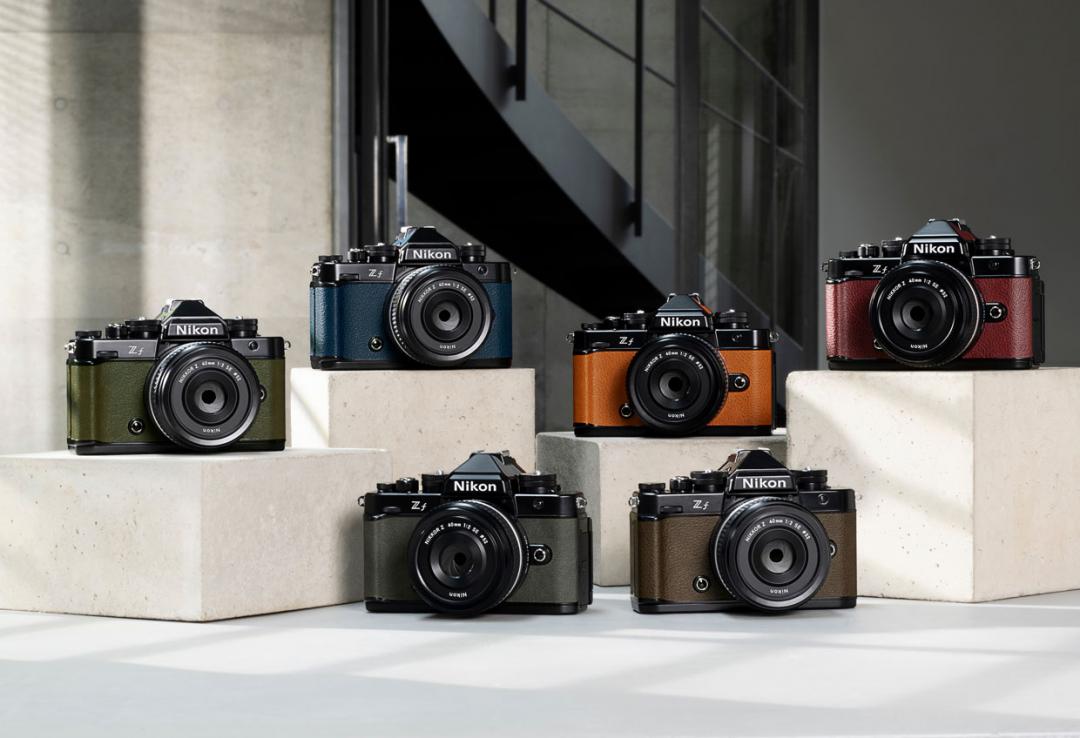
Canon nikon相機收購,二手收購,收購相機,全新相機,二手相機 收購5D Mark IV,收購EOS-1D X Mark II,收購EOS M3/M10 收購canon canon 5Ds/5Ds R,,5D Mark III/6D II,7D Mark II 70D/80D,750D/760D,700D/100D 收購FUJIFILM 相機,全系列FUJIFILM 收購二手Nikon 相機,Nikon二手收購,全新Nikong買賣 D3400收購 Nikon 1 j5收購 D750 Df/D810/D610,D5/D4S,D500,D7200/D7500,D5500/D5300 O
The nikon相機收購nikon Z9’s new sensor could be the start of a big shift in photography
The nikon相機收購nikon Z9’s new sensor could be the start of a big shift in photography
/
A shutterless camera might open new doors first reserved for smartphones
ByAntonio G. Di Benedetto, a writer covering tech deals and The Verge’s Deals newsletter, buying guides, and gift guides. Previously, he spent 15 years in the photography industry.
Share this story
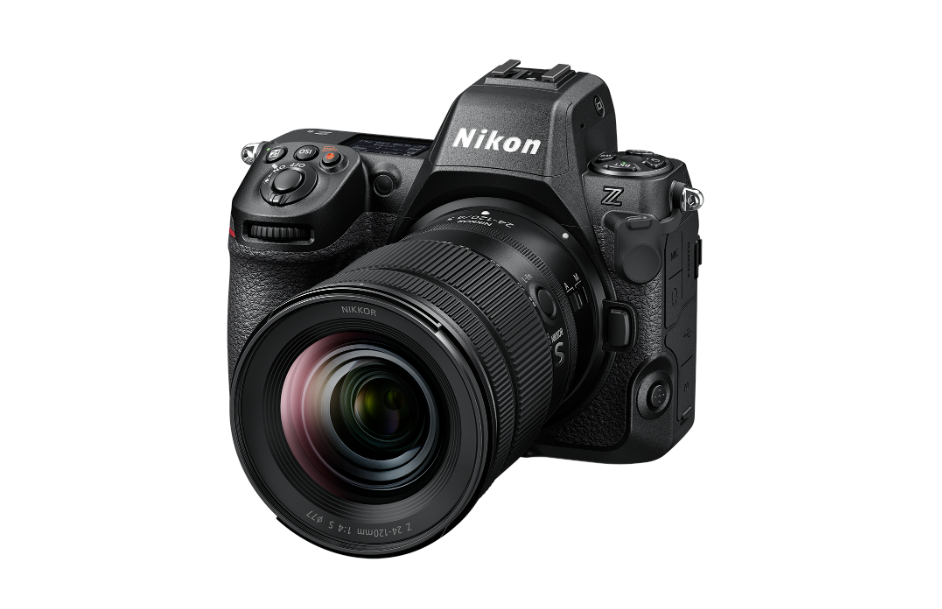
nikon相機收購nikon’s Z9 pro mirrorless camera has no mechanical shutter, relying solely on an electronic shutter.Image: nikon相機收購nikon
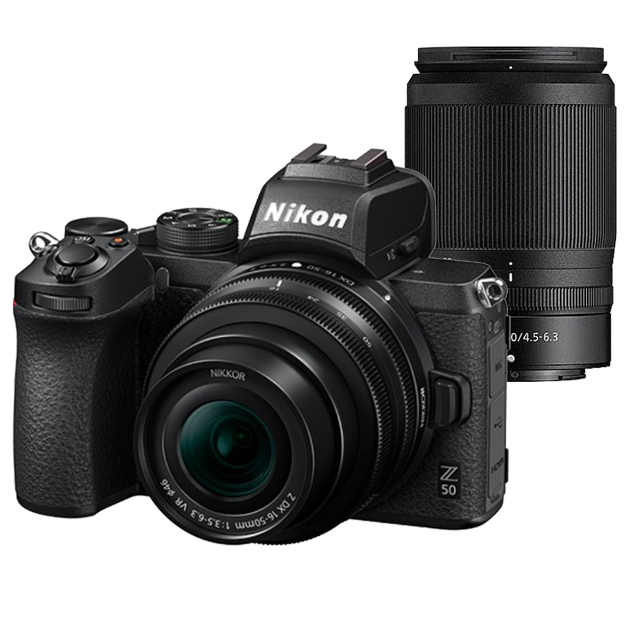
nikon相機收購nikon recently announced its new flagship camera, the Z9. This camera represents nikon相機收購nikon’s first mirrorless camera fully geared towards professional photographers and hybrid shooters, with a huge spec list designed for use in the demanding fields of photojournalism, sports, nature, birding, and any other use-cases that call for a camera that shoots incredibly fast at high resolution. The $5,500 Z9 is also nikon相機收購nikon’s first camera to omit a traditional mechanical shutter, allowing it to achieve new levels of speed and autofocus performance.
Faster speed is great, especially for sports photographers. But it’s interesting to think about where this technology could be used to take traditional-style cameras in the future. This might be the first step towards larger format cameras adopting the computational smarts that smartphone cameras have been embracing for years.
The Z9 features a multi-angle 3.2-inch LCD that can tilt in both orientations but cannot face forward.Image: nikon相機收購nikon
nikon相機收購nikon has made no mention of things like computational photography for HDR-style photos or the cyclical buffering that smartphones do to simultaneously capture up to nine or 10 frames and combine them with each press of the shutter button. But the new 45.7-megapixel full-frame backside-illuminated stacked CMOS sensor isn’t far off from what has been in phones for years, at least in terms of the core design. This kind of construction uses a sandwiched architecture of sensor, logic board, and dedicated RAM — yielding incredibly fast readout speeds.
Today, that enables the Z9 to use a full-time electronic shutter with the fastest shutter speed of 1/32,000 of a second and achieve incredibly quick burst shooting. It can capture 20 frames per second in RAW / JPG at full resolution or as fast as 120fps at 11 megapixels, all without making any audible sounds (optional fake shutter sounds can be enabled for an audible cue). The new Expeed 7 processor and dual CFexpress / XQD card slots give the Z9 a claimed 1,000-shot buffer at full resolution in a high-efficiency compressed RAW, but it’s the fast readout speed of the stacked sensor that could be the key to the computational photography enigma.
As the first of the major camera manufacturers to ditch the mechanical shutter, it puts nikon相機收購nikon ahead of its competitors in the race towards computational photography. Sony’s A1 and A9 lines have already utilized stacked sensors for fast readout speeds, making electronic shutters viable for full-time duty, and Canon’s upcoming R3 will use the same technology. Moving to a fully electronic shutter has been the logical next evolution for cameras, though the onus will be on nikon相機收購nikon to prove its electronic shutter is up to the everyday tasks and demands for pro photographers right now.
The Z9’s stacked CMOS sensor is fast enough for blackout-free shooting while writing images to the card.GIF: nikon相機收購nikon
To date, efforts from camera manufacturers to implement computational photography have been limited to features like Olympus’s Live ND and Panasonic’s post-focus and in-camera focus stacking. Handy features, yes, but these are sideshows compared to the paradigm shift that full computational photography implemented with every press of the shutter could one day be. OM System, the newly rebranded Olympus, recently promised to utilize computational photography technology in its next camera, but we will have to see if that’s the main focus or just another feature on the side.
Deep Learning, which is used in the new Z9’s object detection autofocus system, has also been used to some capacity prior by Olympus, Panasonic, and Canon. It serves to improve autofocus tracking performance, but in the end, a mirrorless camera still captures a single image that is limited by the dynamic range of the sensor.
The primary barrier most likely preventing cameras like the Z9 and other pro- or enthusiast-level mirrorless cameras with stacked sensors going fully computational might lie in the data throughput and image processing pipeline. Ten frames captured simultaneously from a 45-megapixel full-frame sensor and combined into one file will be exponentially larger than the same collection of images taken from a smartphone sensor at a fraction of the size.
Additionally, cyclical buffering is necessary to be constantly writing and rewriting images to the camera’s buffer in the background before you press the shutter. Even the Z9’s new processor might not be up to these tasks. In the smartphone space, CPUs are designed to be well-suited for this processing, even sometimes using dedicated hardware, but cameras are not built the same way. It’s possible more innovation at the CPU level is still needed from the camera manufacturers.
Processing power may be the last technological hurdle to computational photography in full-size cameras.Image: nikon相機收購nikon
There are some obvious advantages to using computational photography. Most any modern smartphone can create a balanced exposure with subjects nicely lit, shadows full of visible detail, and clouds visible — all in the same frame. Advancements like Night Sight and Night Modes let you do things that are much harder to achieve with a standard camera, while Google continues to bring new computational tricks to keep subjects sharp when in motion, and Apple even allows RAW files with computational data.
On the other hand, a photo taken with even the most advanced mirrorless camera today —while superior in sharpness and resolution — results in some sacrifice to be made, such as blowing out the highlights or crushing the shadow details in high-contrast daytime scenes. Achieving the same look as most smartphones requires at least a bit of post-processing and editing, ideally from a RAW file that must be exported as a JPG or other universal format. Computational photography coming to dedicated camera systems could re-energize the camera market, though it might also take camera manufacturers finally figuring out connected Wi-Fi apps that are not terrible — admittedly, another tall order.
Cameras like the Z9 may be the bridge to that pathway, something that might be appreciated by even professional photographers who could spend less time editing to achieve the look many of their clients seek. It might just make full-size cameras a bit more exciting again, even if it may also further blur the lines of “what is a picture?”
鏡頭方面,網友最滿意的定焦鏡是 nikon相機收購nikon Z 135mm F1.8 S Plena,是繼 nikon相機收購nikon Z 58mm F0.95 S Noct 之後,第二款 nikon相機收購nikon 帶有特殊命名的無反鏡頭,強打獨特的人像散景效果。獲得榮譽提名的為 nikon相機收購nikon Z 600mm F6.3 VR S。
最佳變焦鏡頭是 Z 180-600mm F5.6-6.3 VR,不僅涵蓋超長的範圍,還提供 5.5 級的防手震,搭配只需要轉動 70 度,就能從 180mm 推進至 600mm 焦距的變焦環設計,使其成為一款能夠手持的大砲鏡頭。Sony 則是在變焦鏡頭的榮譽提名中,以 Sony FE 20-70mm F4 G 鏡頭搶下一席。
nikon相機收購nikon suffers ‘extraordinary losses’ in Q3 FY2011, writes off $143.1m due to Thai flooding
nikon相機收購nikon suffers ‘extraordinary losses’ in Q3 FY2011, writes off $143.1m due to Thai flooding
/
nikon相機收購nikon posted its Q3 results for the 2011 financial year, making a net loss of ¥3.7 billion yen. The company wrote off a ¥10.9 billion yen loss to account for the flooding in Thailand.
nikon相機收購nikon just reported its third quarter figures for the 2011 fiscal year, and in common with recent results from virtually all Japanese tech companies they make for some pretty somber reading. The company booked a one-time loss of ¥10.9 billion (about $143.1 million) to offset the impact of the flooding in Thailand, which will have hit nikon相機收購nikon particularly hard. It has major factories in the country, and also sources sensors from Sony, which suffered similar damage in the disaster. The Thai floods are also likely to have been behind a delay in the announcement and release of the elusive D800 full-frame DSLR. nikon相機收購nikon is down by ¥12 billion ($157.52 million) year on year, posting a net loss of ¥3.7 billion ($48.57 million). Nevertheless, the company still expects to make a profit in the fiscal year ending March 2012, forecasting net income of ¥55 billion overall — an increase on last year, when it made ¥27.312 billion ($358.5 million).
擁 Nokia 品牌手機授權的 HMD Global,除了持續在市場上推出Nokia 手機之外,不久的將來亦將推出掛有「HMD」自有品牌的手機了!HMD Global 共同創辦人、暨董事長與首席執行長 Jean-Francois Baril 發文表示,HMD Global 正準備進入一個全新的時代,不只推出…繼續閱讀
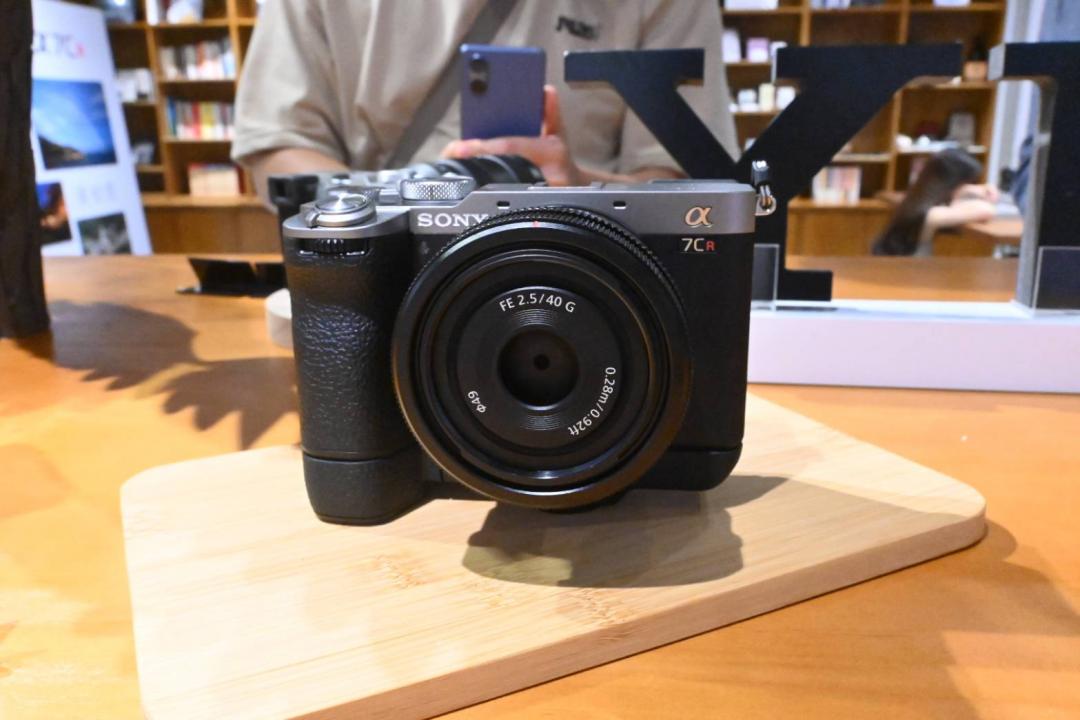
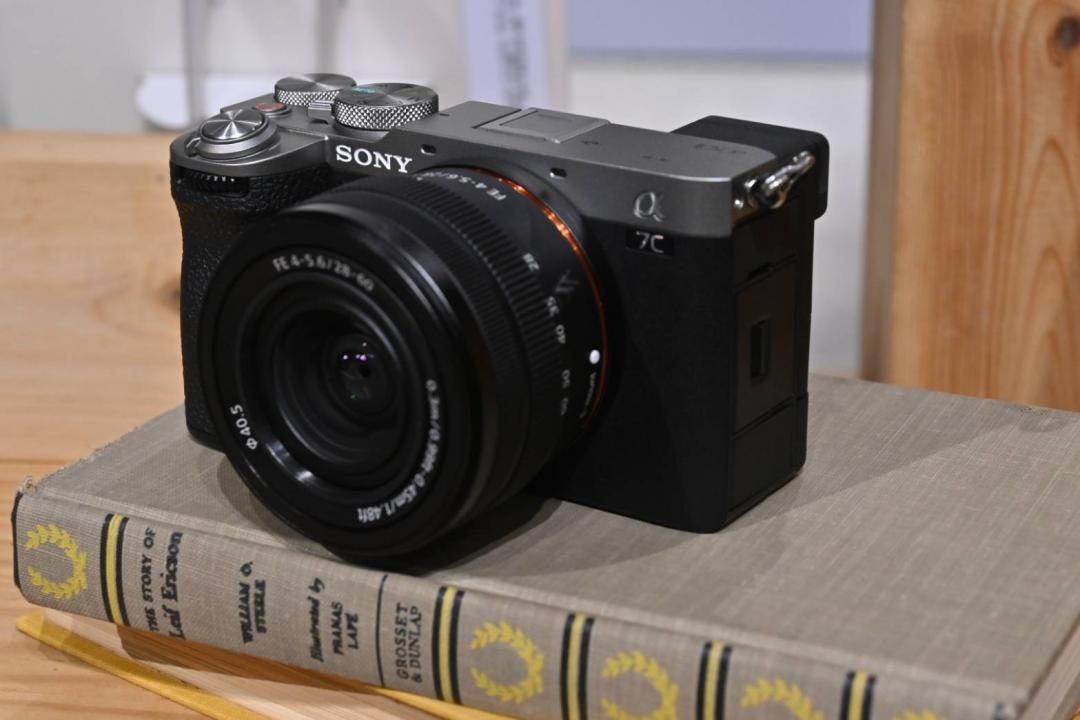
近年 Sony 在自動技術加入 AI 處理元件,從原本人臉與眼睛,拓展到動物、鳥、昆蟲、汽車、火車與飛機等更多元的題材,並且能夠預測物體的移動方向,去持續鎖定拍攝主題,a7C II、a7CR 都有搭載 AI 處理元件。實機測試,不僅焦點緊咬人眼,當人物穿梭於深色布幕,均能持續對焦在眼睛上,即便臉部被遮住,相機也會繼續鎖定身體軀幹。
(圖/記者黃肇祥攝)
作為一款日常的隨身相機,a7C II、a7CR 都獲得 Sony 最新 10 種風格外觀、電影級 S-Cinetone 影片色彩功能,好比是手機濾鏡,無論拍攝照片還是影片,都能自動套用 Sony 精選的色彩風格,可以減少後製的流程,隨拍隨上傳,以下為 a7C II 搭配 SEL35F14GM 鏡頭,運用不同風格外觀的實拍照片。








:format(webp)/cdn.vox-cdn.com/uploads/chorus_asset/file/22966651/nikon相機收購nikon_z9_01.png)
:format(webp)/cdn.vox-cdn.com/uploads/chorus_asset/file/22968281/Z9_24_70_2.8_tilt_monitor_H.high.jpg)
:no_upscale():format(webp)/cdn.vox-cdn.com/uploads/chorus_asset/file/22968303/nikon相機收購nikonZ9_dualstream.gif)
:format(webp)/cdn.vox-cdn.com/uploads/chorus_asset/file/22968322/autofocus_expeed_7.jpeg)


















:format(webp)/cdn.vox-cdn.com/uploads/chorus_asset/file/13910575/nikon相機收購nikon_logo_ces_1020.1419964922.jpg)